Supporting Informal Caregivers of Alzheimer’s Patients
Role
UX Researcher
Timeframe
4 months
Methods
The Problem
Informal caregivers of Alzheimer’s patients shoulder high emotional and cognitive load, especially when physically away from the person they care for. They lack tools that provide calm, trustworthy visibility into their loved one’s well-being without increasing cognitive overload.
The Opportunity
Reframe caregiving support systems around trust, reassurance, and emotional safety rather than only efficiency, reminders, or monitoring features.
My Mandate
Understand caregivers’ lived experience, decision-making, and stress triggers.
Identify unmet needs and latent pain points.
Validate a conceptual intervention focused on uncertainty reduction under strict ethical constraints
Research Context
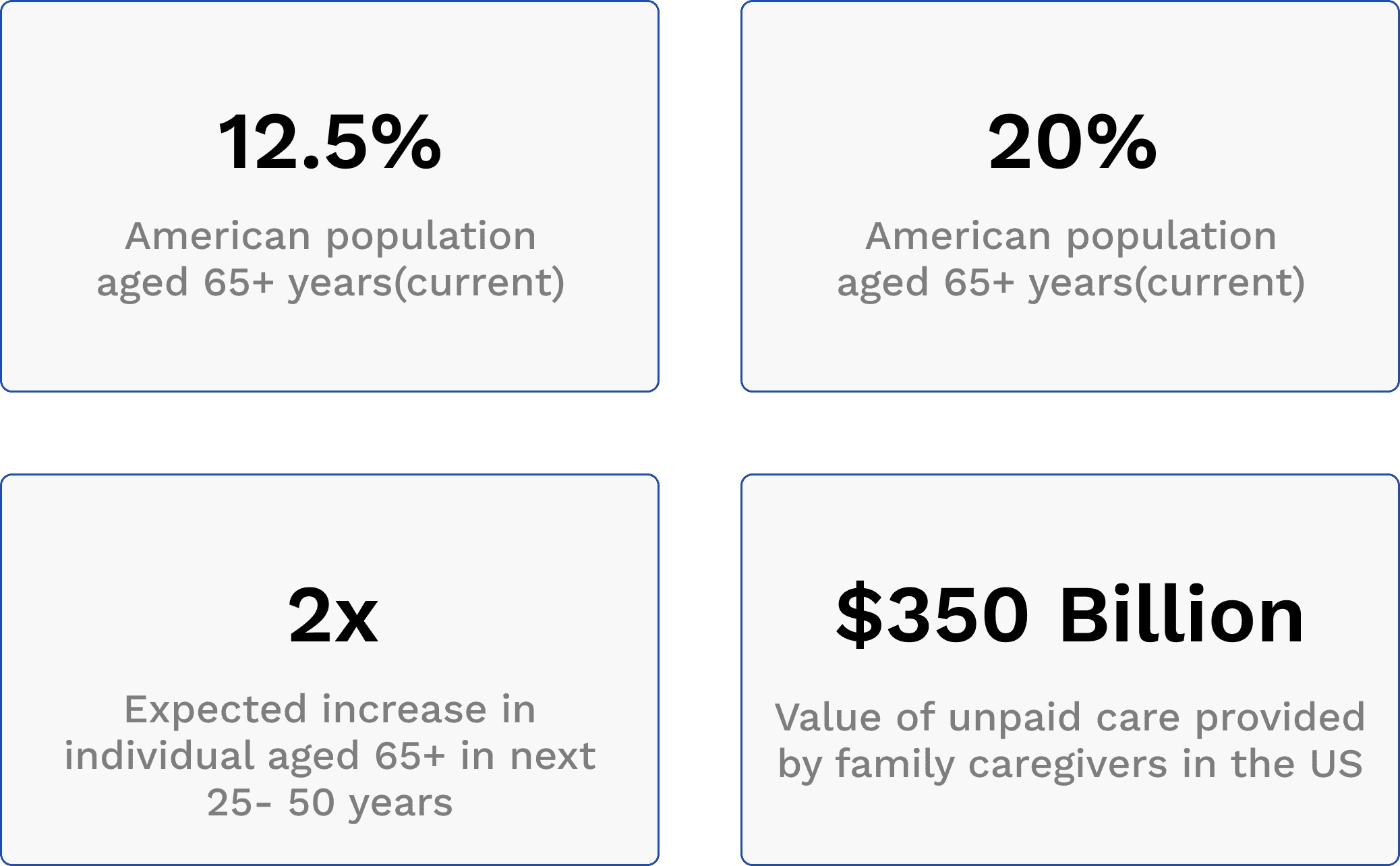
Alzheimer’s caregiving is largely done by informal caregivers—often spouses or adult children—who are rarely considered primary users in health-tech design. They navigate disease progression, role reversal, and long-term emotional labor while trying to keep their own lives functioning.
In existing research and tools, caregivers often appear as secondary actors supporting the “real” user: the patient. This project deliberately centered caregivers as first-class stakeholders with their own needs, stress trajectories, and decision patterns.
One caregiver described it this way (paraphrased): “I can handle the work. What breaks me is not knowing if he’s okay when I’m not there.” That sentence became the emotional anchor for the entire project.
Research Goals
Identify unmet needs and latent pain points in informal Alzheimer’s caregiving.
Understand emotional, cognitive, and logistical stress drivers over time.
Examine how caregivers assess safety, risk, and trust in support systems.
Validate findings via iterative, ethics-conscious testing and expert review.
Phase 1 – Grounding in the problem
Literature Review
To establish a grounded starting point, I conducted a targeted review of:
Academic work on Alzheimer’s progression and symptomatology
Studies on caregiver burden, burnout, and coping mechanisms
Reports on gaps in existing caregiving support systems
Most literature focuses on patients; caregivers are presented as a support function, not as users with independent needs and emotional trajectories. This gap shaped recruitment criteria and interview protocols, ensuring caregivers’ perspectives were primary, not incidental.
Phase 2 – Listening to caregivers
Participants
Informal caregivers: primary sample (family members providing ongoing Alzheimer’s care).
Healthcare professionals: secondary sample (dementia and geriatric specialists) to validate patterns and surface ethical considerations.
Semi-structured Interviews
Interviews were conducted remotely to respect caregivers’ unpredictable schedules and emotional bandwidth. Conversation guides focused on:
Daily routines and key decision points
Emotional impact and role transition from partner/child to caregiver
How they monitor safety and define “safe enough”
Moments of uncertainty, anxiety, or overload
Existing coping strategies, workarounds, and informal systems
The semi-structured format created space for caregivers to surface issues beyond my initial assumptions, such as shame around asking for help and the invisible mental work of “simulation”—constantly imagining what might be happening at home.
Phase 3 – Making sense of complexity
Affinity Mapping
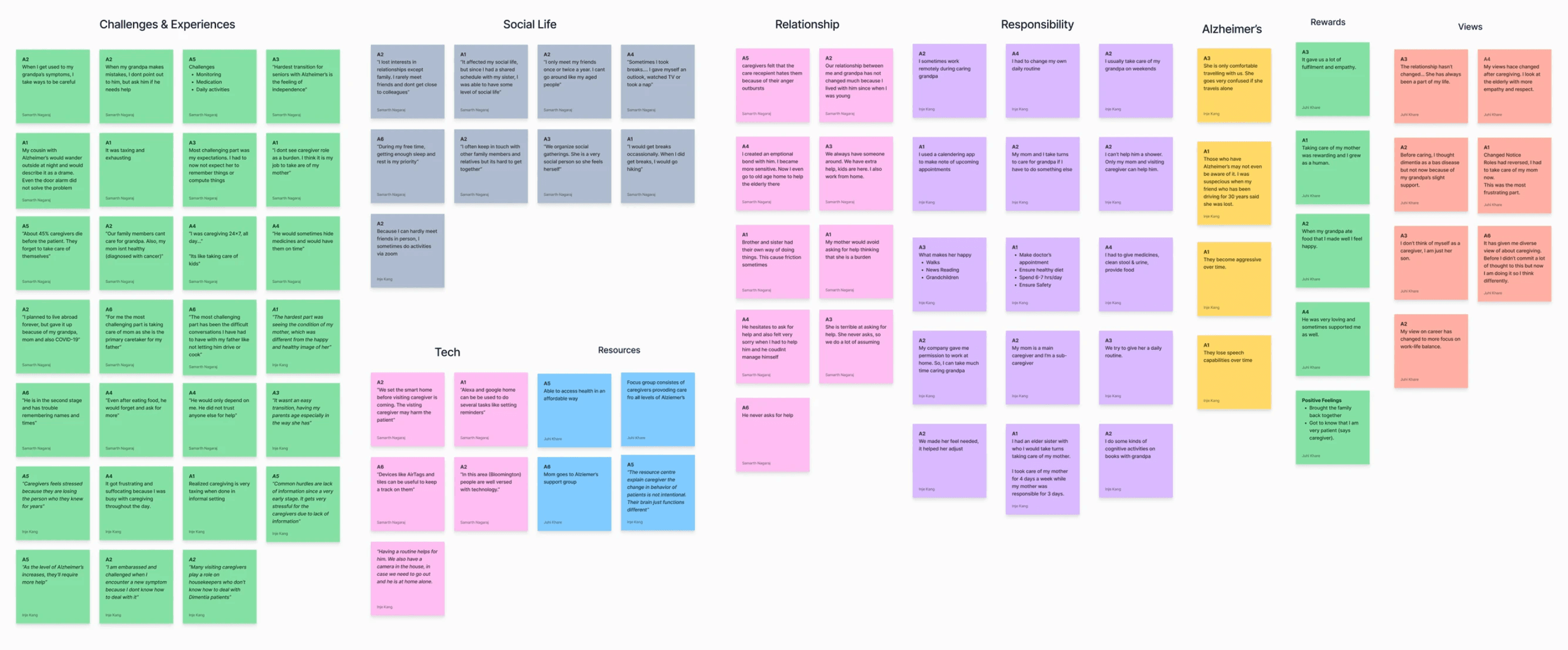
I coded interview transcripts, then clustered insights through affinity mapping to reveal recurring behavioral patterns and emotional themes.
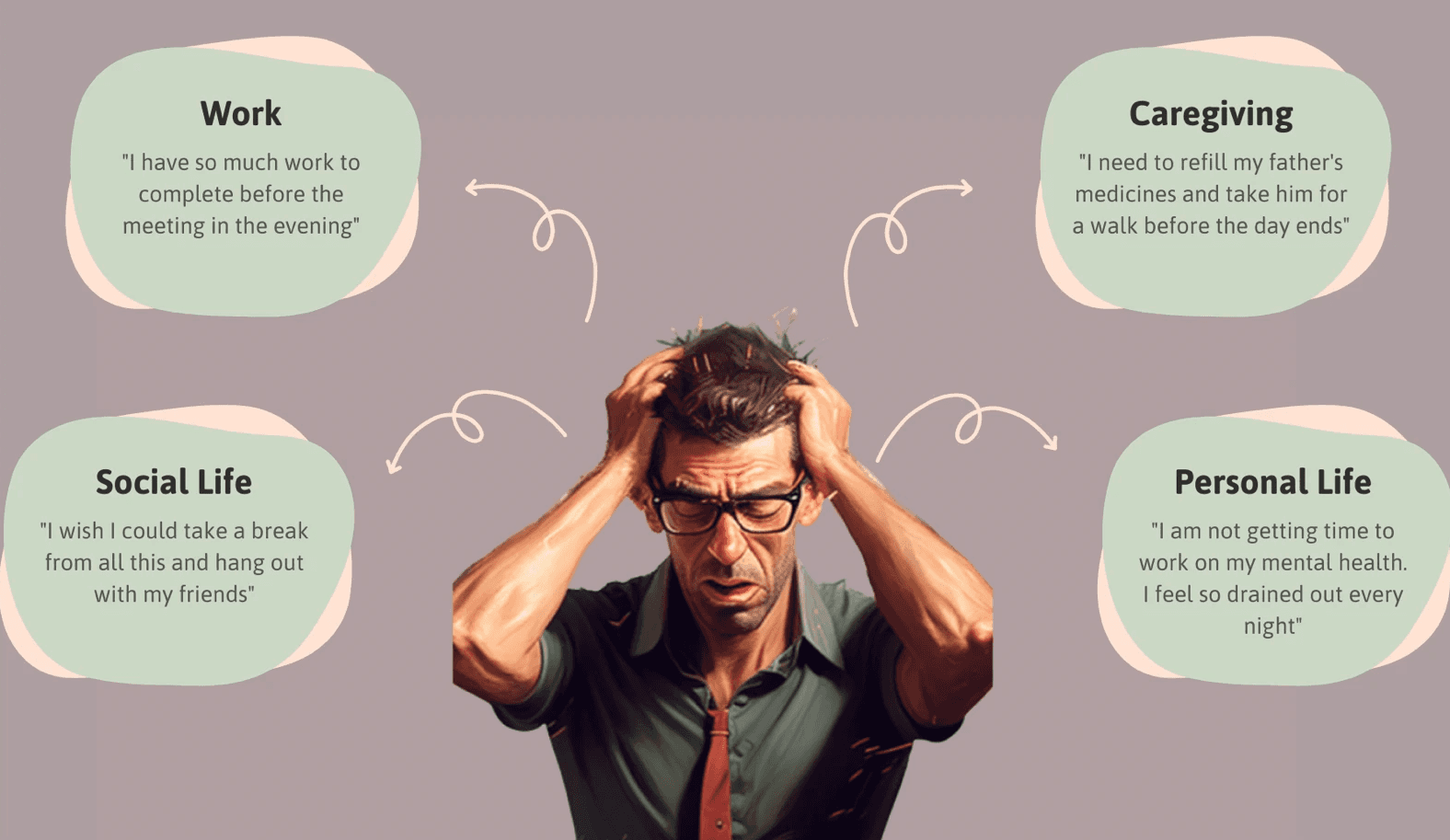
Caregiver Themes
Persistent cognitive load from continuous vigilance and anticipatory worry.
Tension between professional responsibilities and caregiving obligations.
Emotional strain tied to the loss of autonomy—for themselves and the patient.
Self-care deprioritized, often framed as selfishness or guilt-inducing.
Patient Themes (as perceived by caregivers)
Anxiety driven by confusion and memory lapses.
Resistance to help perceived as protecting independence and dignity.
Emotional distress triggered by unfamiliar environments or disrupted routines.
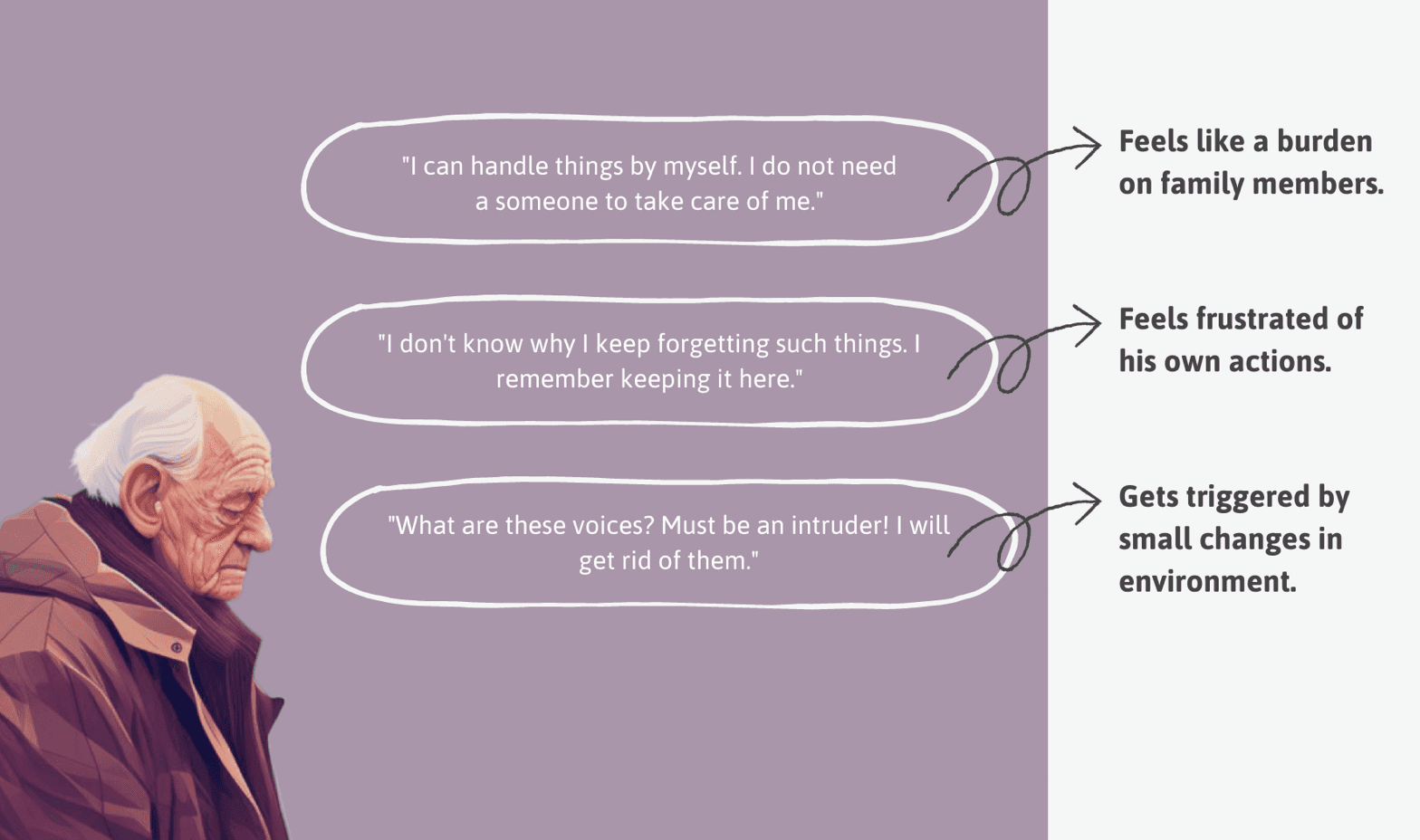
These themes became the backbone of later journey maps and concept decisions, especially around routine stability and communication tone.
Journey Mapping - A day in the life
Using synthesized insights, I built a temporal journey map representing a typical caregiver day, with emotional intensity over time.
Stress did not increase linearly with effort. Instead, it spiked at specific moments characterized by:
Uncertainty rather than physical or logistical effort
Lack of visibility into patient well-being
Inability to intervene remotely when something felt “off”
This reframed the core problem: caregiver stress is less about task volume and more about unresolved uncertainty and perceived risk. That insight directly shaped the CareBit concept’s emphasis on reassurance and calm state awareness over “more features.”

Reframing the design question
Original Framing
"How can we make caregiving more efficient?"
Reframed Question
“How might we reduce uncertainty and perceived risk for caregivers—especially when they’re away—without increasing cognitive load?”
This shift moved the work from task optimization to emotional risk management and trust-building.
The CareBit intervention
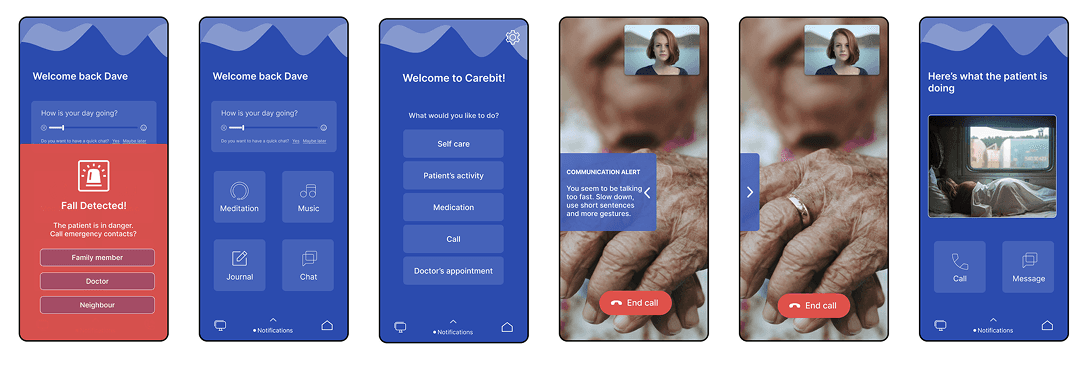
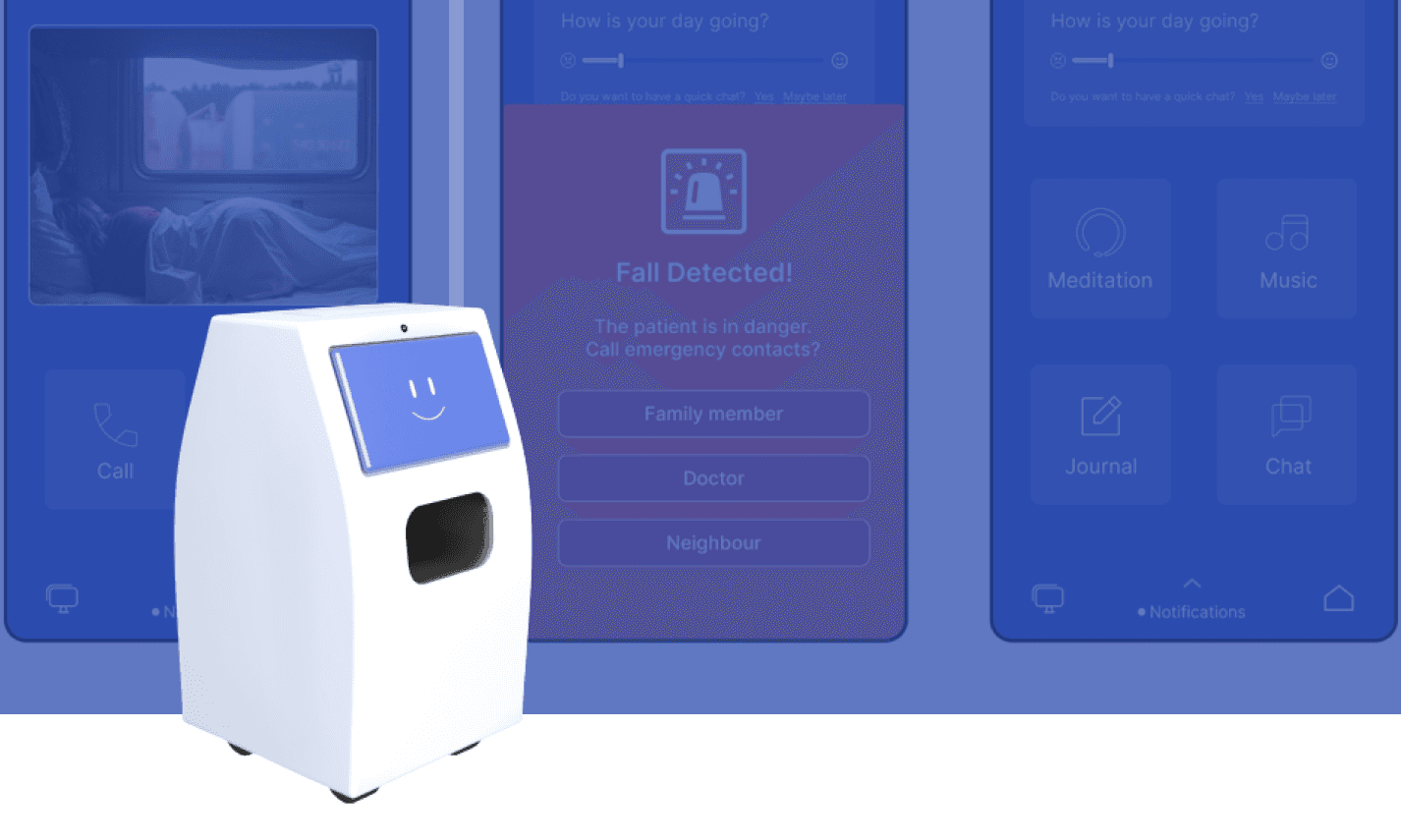
Following synthesis across interviews, journey maps, and expert reviews, I designed CareBit as a conceptual caregiving support system. Its purpose was to test insights—not to act as a final product.
Design Principles
Reduce uncertainty during caregiver absence.
Stabilize patient routines to minimize anxiety triggers.
Support caregiver trust and reassurance without increasing cognitive load.
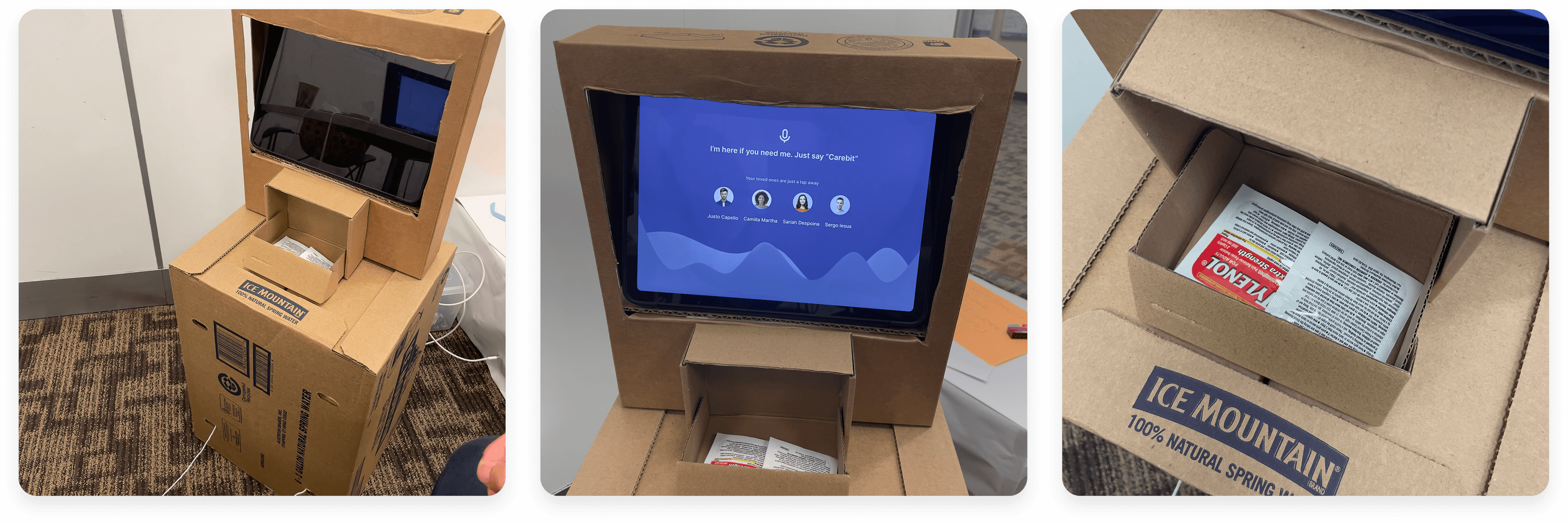
High-level system concept
CareBit combined:
Ambient patient monitoring focused on safety and routine adherence.
Structured routine support to keep days predictable and calming for patients.
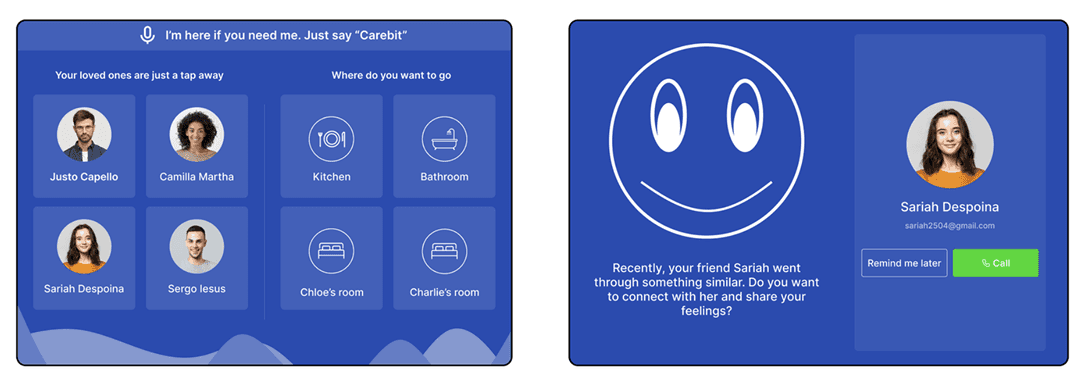
A caregiver-facing “status awareness” layer that communicated state clearly and calmly.
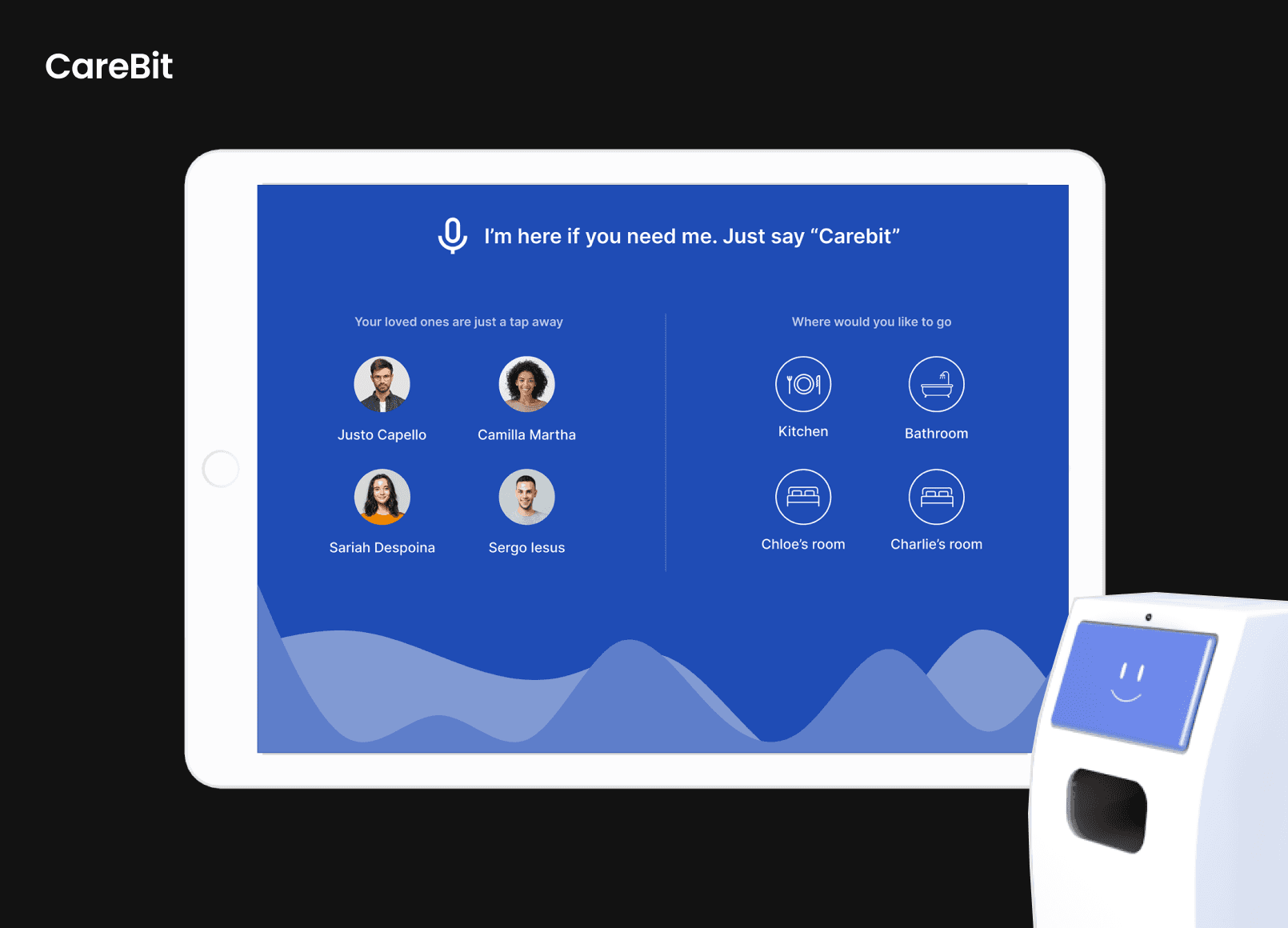
For example, instead of sending constant micro-alerts, CareBit would provide a simple, predictable status like “Following usual morning routine” with only meaningful deviations highlighted. This aligned with caregivers’ preference for clarity and restraint over volume.
By treating CareBit as a research artifact, I could focus on validating emotional responses, trust thresholds, and behavioral assumptions, rather than prematurely converging on a polished feature set.
Phase 4 – Evaluative research under constraints
Testing directly with Alzheimer’s patients posed ethical and logistical challenges, especially for repeated or high-cognitive-load interactions. I used complementary methods to safely study caregiver behavior and trust formation.
Wizard-of-Oz evaluations
Simulated “smart” caregiving support behaviors while manually controlling system responses behind the scenes.
Goals
Observe how caregivers interpreted system intent and reliability.
Understand how trust was formed, eroded, or repaired.
Identify thresholds where support shifted from reassuring to anxiety-inducing.
This allowed early validation of behavioral assumptions (e.g., how many uncertainties in a row caregivers tolerate before stress spikes) without exposing vulnerable patients to unproven systems.
Expert review and clinical validations
Dementia specialists and clinicians reviewed the synthesized findings and early concepts.
They helped:
Confirm that observed stress patterns matched clinical reality.
Identify ethical concerns around autonomy and surveillance.
Stress-test assumptions about when and how systems should intervene.
Experts reinforced a key conclusion: reassuring caregivers must come before optimizing engagement or feature richness. A system that makes caregivers feel watched instead of feel supported risks worsening stress.
Phase 5 – Predictive Analysis
Because longitudinal deployment with Alzheimer’s patients was not feasible in this phase, I used predictive analysis to estimate potential impact.
Using caregiver journey maps as a baseline, I overlaid hypothetical CareBit touchpoints onto known stress peaks (e.g., leaving home, mid-day uncertainty, evening check-ins).

Modeled Outcomes
Reduced acute stress spikes during periods of caregiver absence.
Increased confidence in patient safety, especially when caregivers were at work.
Lower perceived need for constant vigilance and “mental checking.”
Improved ability to temporarily disengage without immediate anxiety.
These projections were grounded in:
Primary qualitative insights
Behavioral patterns from Wizard-of-Oz and A/B testing
Clinical expert validation
Future direction – Patient-inclusive evaluation (hypothetical)
With appropriate IRB and clinical oversight, a future study could directly involve Alzheimer’s patients in a staged, ethically controlled way.
Objectives
Assess patient comprehension, comfort, and emotional response.
Compare caregiver perceptions to actual patient experience.
Evaluate impact of structured support on patient anxiety and autonomy.
Surface unintended stressors or ethical risks introduced by the system.
Proposed Phases
In-home contextual observation to establish behavioral baselines.
Moderated, short usability and comprehension sessions focused on comfort and recovery from confusion.
Caregiver-assisted diary study over 2–4 weeks to capture adaptation effects.
Pre-/post-intervention stress mapping for both caregivers and patients.
All sessions would include continuous consent monitoring, caregiver presence, and immediate withdrawal protocols to minimize emotional risk.
Ethical and practical constraints
Working with Alzheimer’s caregivers and patients introduced five critical constraints that shaped every methodological choice.
Cognitive variability: Different disease stages made standardization and generalization difficult.
Session fatigue: Research activities needed to be short, adaptive, and sensitive to emotional and cognitive overload.
Ongoing assent: Consent was treated as dynamic, requiring continuous revalidation, not a one-time form.
Caregiver mediation bias: Caregiver presence affected behavior and interpretation, demanding careful triangulation.
Emotional risk: Interactions risked triggering anxiety or distress and required clear stop conditions and support plans.
These constraints became design parameters rather than obstacles, influencing everything from protocol design to how insights were framed.
Insight-Driven Design Decisions
Uncertainty, not workload, drives stress → Prioritized features that reduce ambiguity (clear status, fewer unknowns) instead of focusing solely on task efficiency.
Trust over feature density → Designed for predictable, calm, and transparent behaviors rather than frequent or highly detailed alerts.
Ethics as a design constraint → Used flexible, low-risk research methods and only allowed well-triangulated insights to drive design changes.
Emotional labor as a core metric → Evaluated design choices by their impact on caregiver emotional load, not just usability or engagement.
Concepts as decision tools → Used CareBit as a testbed to validate behaviors and trust thresholds before investing in full builds or long-term roadmaps.
Reflections
Designing for Emotional Support
Addressing the emotional needs of Alzheimer's patients and caregivers proved challenging. We had to ensure our solution was not only functional but also empathetic, providing comfort through features like proactive conversations and cognitive games.
Balancing Simplicity and Functionality
The need for a user-friendly design for Alzheimer's patients meant focusing on simplicity without sacrificing key features. Striking the right balance between intuitive interfaces and functionality was essential for the app’s success.
Estimating Impact Through Predictive Tools
Without direct testing, we used expert feedback and predictive analysis to estimate the potential reduction in caregiver stress. This experience showed how to use creative methods like stress mapping to project outcomes when traditional testing isn’t feasible.