Social Media Brand Strategy for IU Luddy School
Role
Graphic Designer & Brand Strategist
Team
4 Designers
Timeframe
6 weeks
Methods
Problem Space
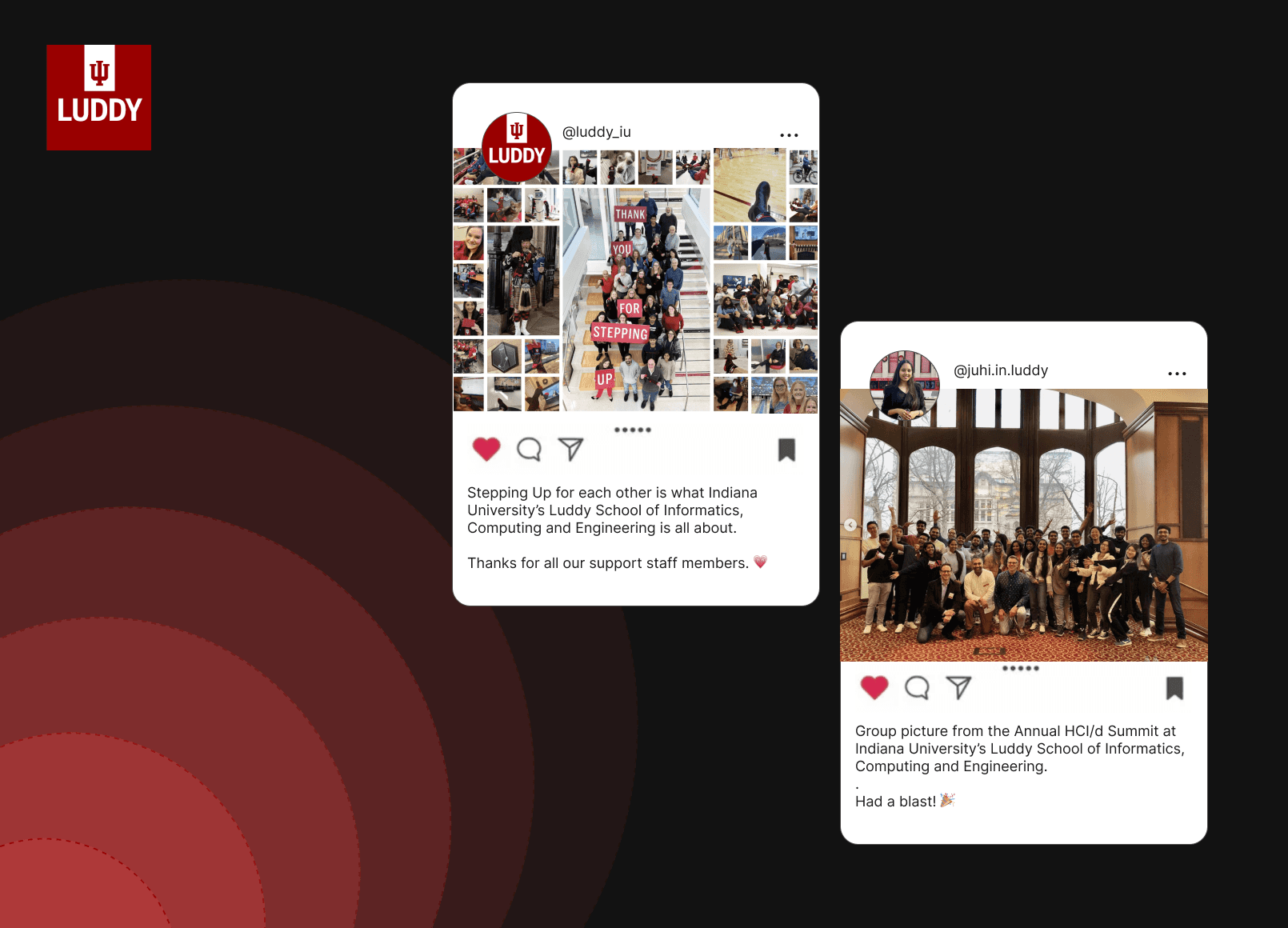
The Luddy School’s undergraduate recruiting content was embedded within the main school social media channels, which serve diverse audiences including graduate students, faculty, and researchers.
This diluted messaging for prospective undergraduates and limited the school’s ability to communicate a clear, engaging, and visually distinct narrative during critical decision-making moments in the college selection process.
Project Goals
Increase undergraduate enrollment by 10% YoY
Improve clarity, engagement, and brand consistency across digital recruiting touch points
Constraints
No dedicated social media channels or visual system existed specifically for undergraduate recruitment.
Content had to align with existing IU and Luddy brand guidelines.
Recruiting staff had limited marketing and graphic design expertise, requiring solutions that were scalable, easy to maintain, and low in ongoing design overhead.
Understanding Target Audience
Multiple semi-structured interviews were conducted which helped create a journey map for high school seniors who are looking to choose their university for undergraduate studies.
This map illustrates the different stages of the student journey and highlights that the waiting period after applying is where students tend to have the most negative experience.
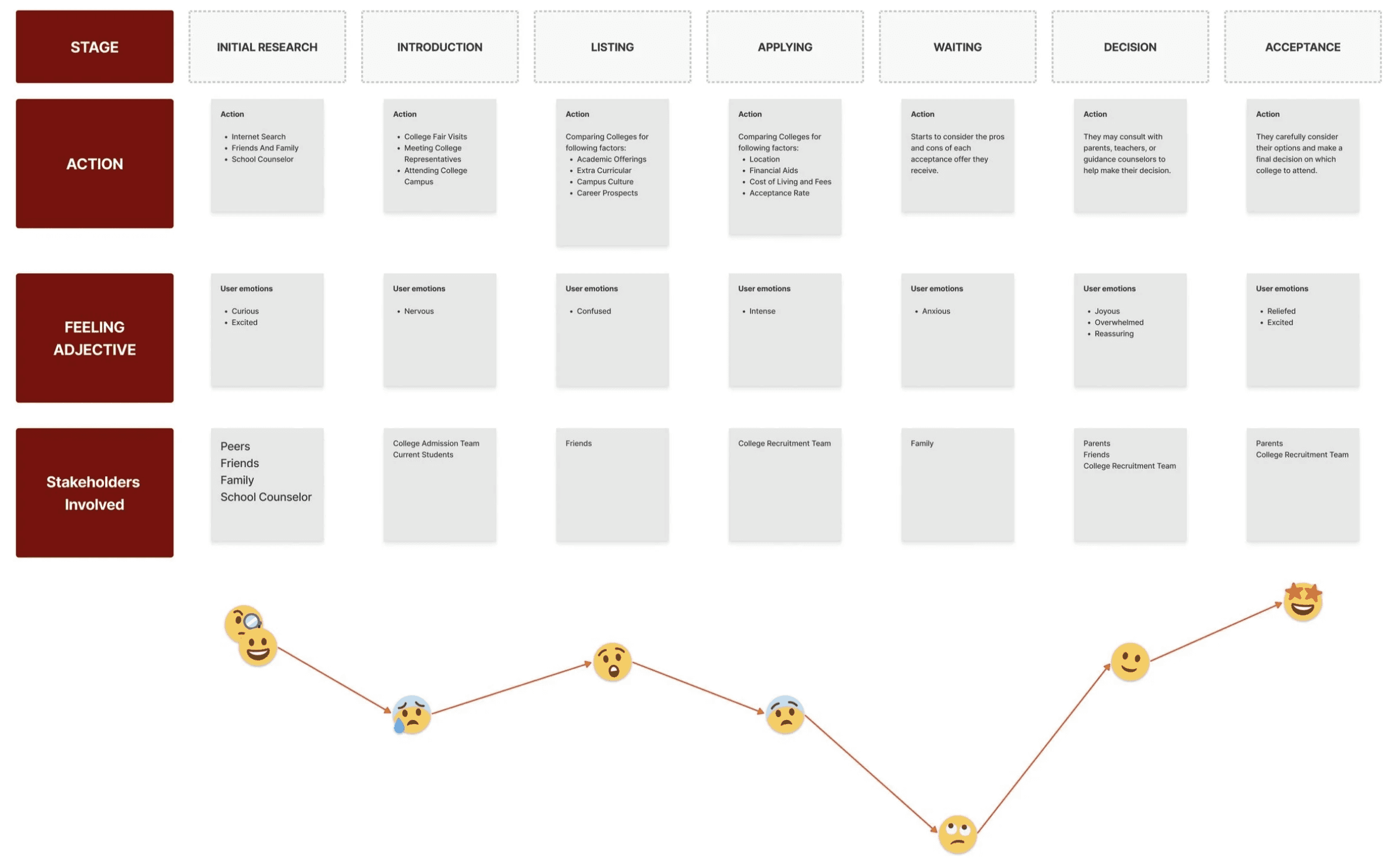
The period after applying and while waiting for an admission decision consistently produced the most anxiety, confusion, and disengagement—yet this phase had minimal brand touch points.
Understanding Stakeholders
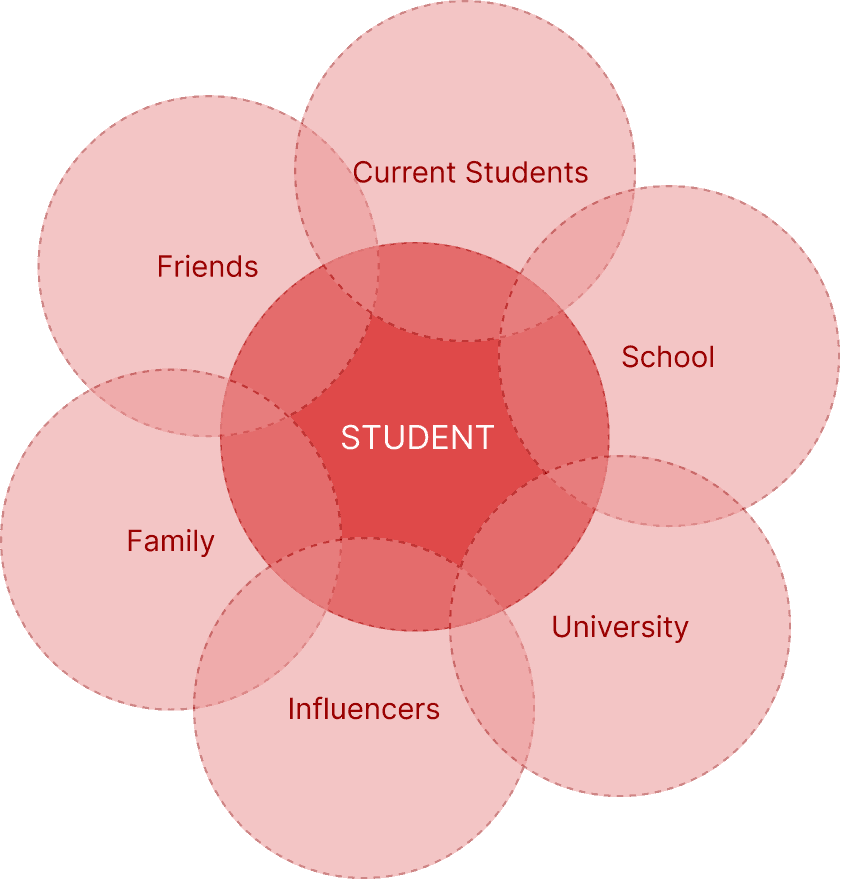
Recognizing that high school students do not make college decisions in isolation, we mapped a social sphere of influence (inspired by the social sphere of influence) to understand who shapes their perceptions, questions, and final decisions. This included peers, parents, teachers, counselors, mentors, and extended family.
While multiple stakeholders influence the process, our stakeholder map and interviews confirmed that the final enrollment decision is student-driven, with external voices primarily shaping confidence and validation rather than choice.
Student Information Channels
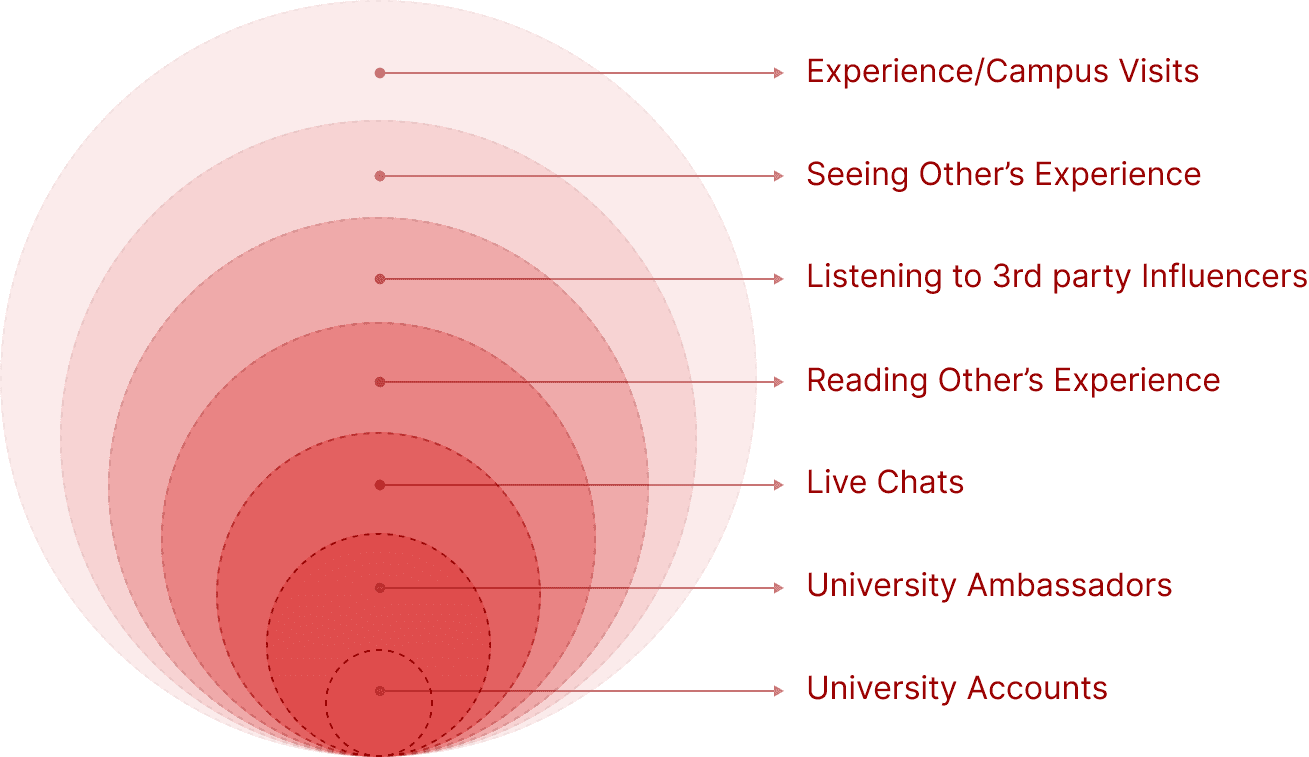
In addition to direct stakeholders, students rely on multiple information channels—many of which include stakeholder-generated content—to inform their decisions. Mapping these channels helped us identify where LUR’s current efforts were effective and where gaps existed in influencing student perceptions.
Luddy's Current Social Media Presence
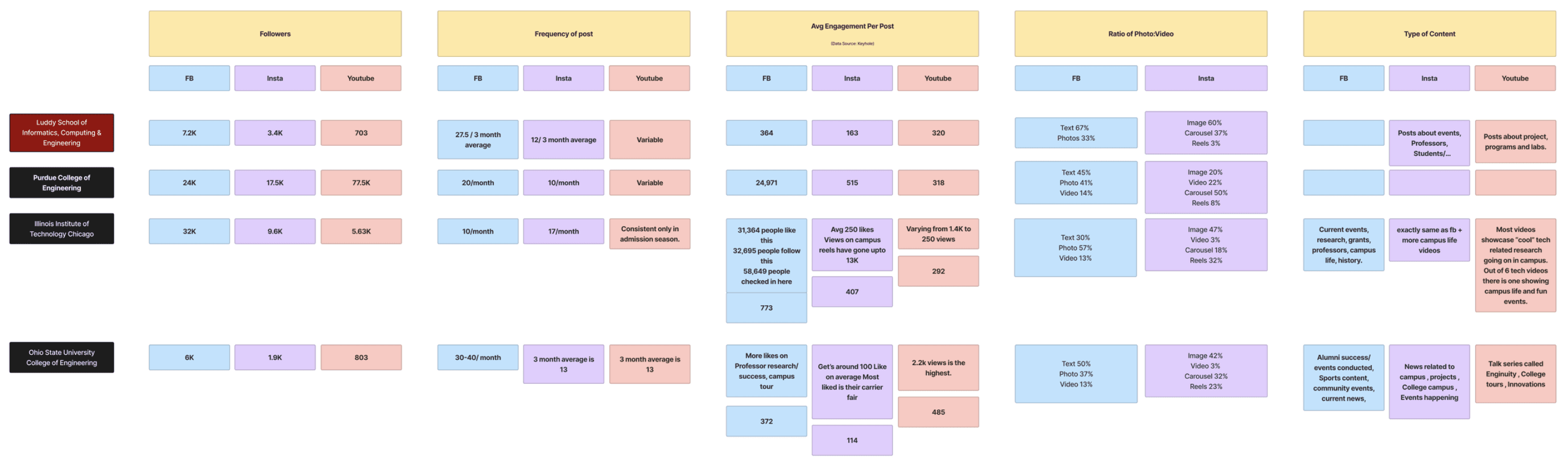
As the goal is to improve the social media strategy, it is crucial to study the current state to find where it is lacking. To accomplish this a tool named 'Keyhole' was used to conduct a competitive analysis comparing Luddy’s current social media presence with peer institutions, including Purdue College of Engineering, Illinois Institute of Technology (Chicago), and Ohio State University College of Engineering.
Type of Content on Instagram
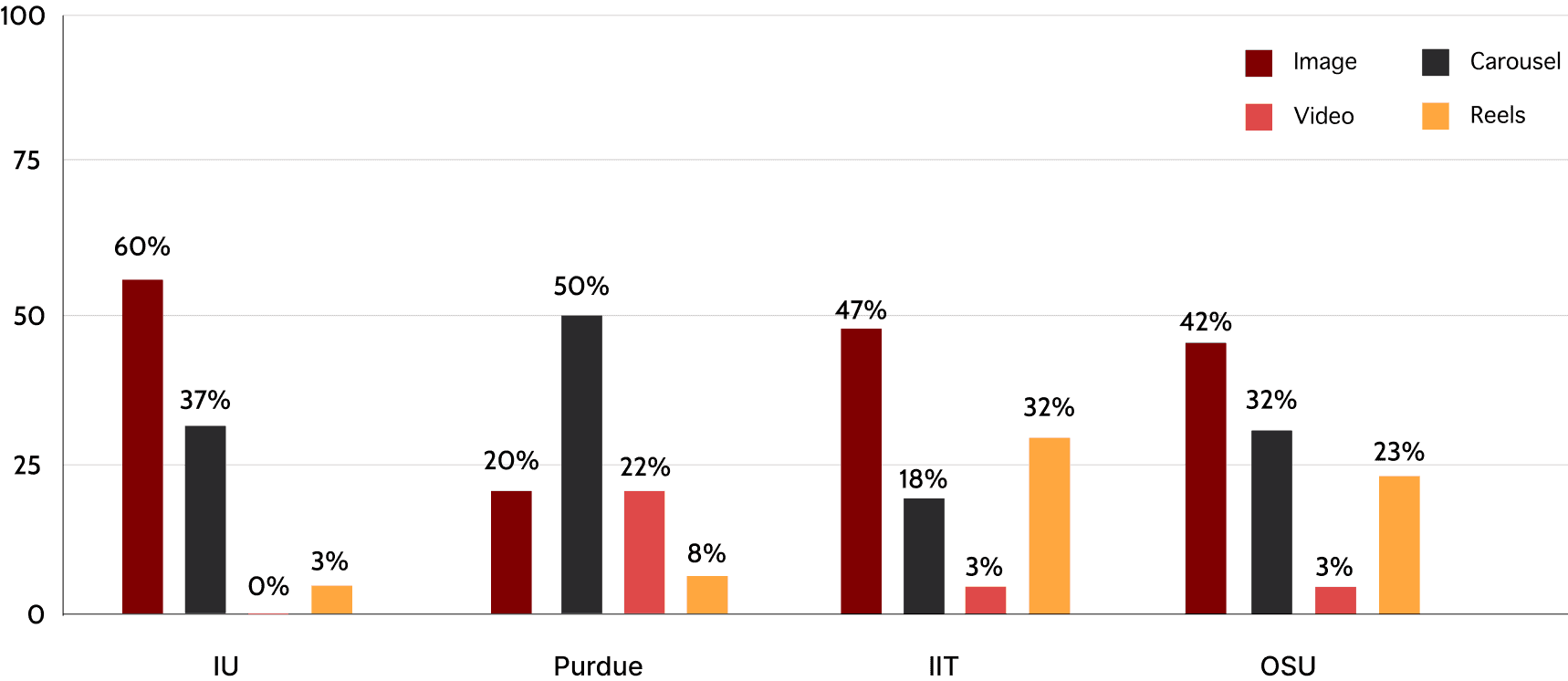
IU Bloomington is not at all posting video content that is the most engaging form of post on social media these days.
Most Engaging Content Type
Carousels were the most engaging type of content when it came to sharing information but videos were the most effective to attract new viewers.
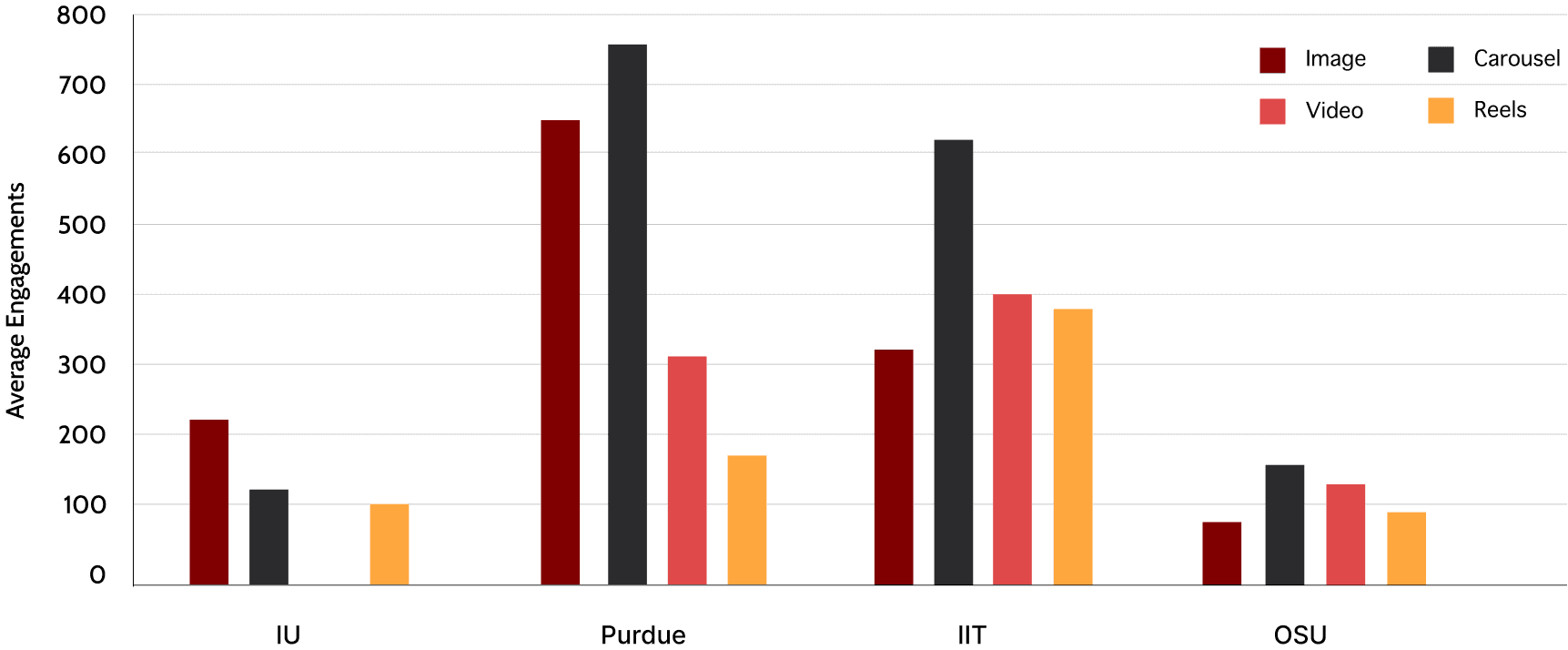
Competitive analysis showed that motion-led content drives brand discovery, while IU Luddy’s static-heavy approach revealed a gap in visual systems and brand expression.
Opportunity Space
Research and analysis identified two critical moments in the undergraduate admission journey where students and key influencers require additional clarity, reassurance, and engagement to support confident decision-making.
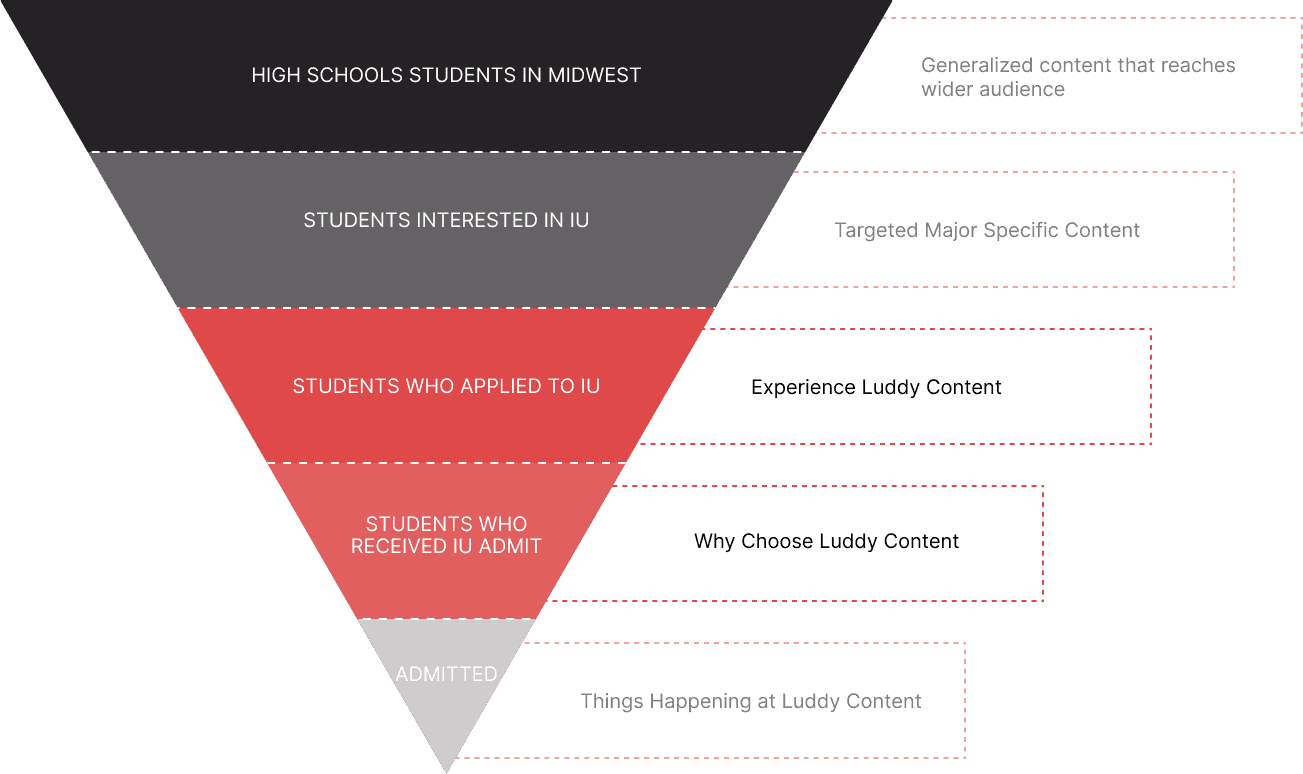
Post-Application– build excitement and emotional connection
Post-Admission Offer– reinforce brand value and drive commitment
These moments represented the highest opportunity for brand differentiation through design, motion, and storytelling.
Brainstorming
Ideas were generated to tackle the above highlighted issues through a collaborative strategy workshop with the project team and the Luddy Undergraduate Recruiting team, aligning creative exploration with stakeholder goals, feasibility, and brand considerations.
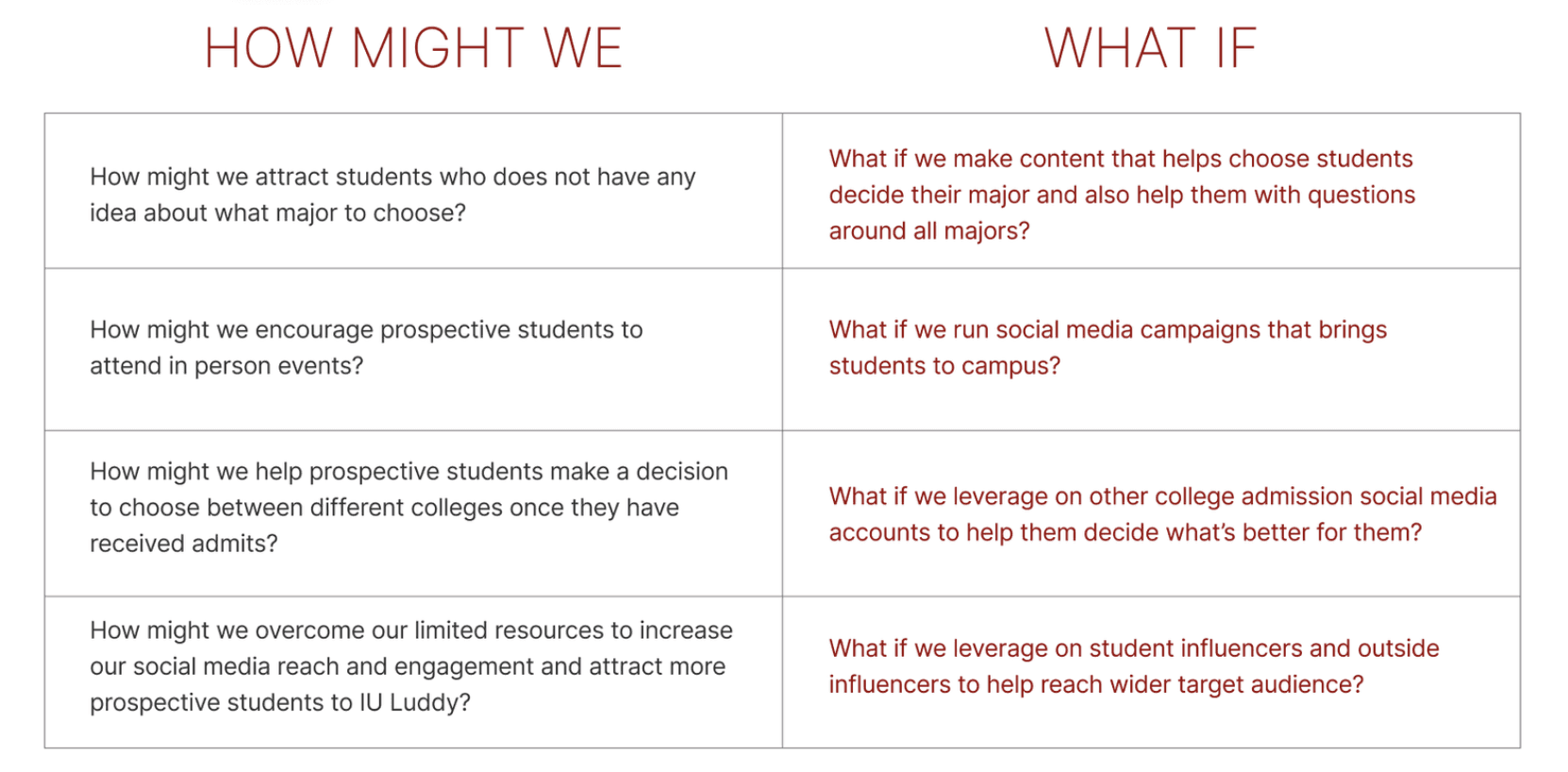
The Strategy & Campaign Design
Based on identified pain points in the post-application and post-admission phases, the campaign framework focuses on building excitement and emotional connection after application, and reinforcing brand value and commitment after admission.
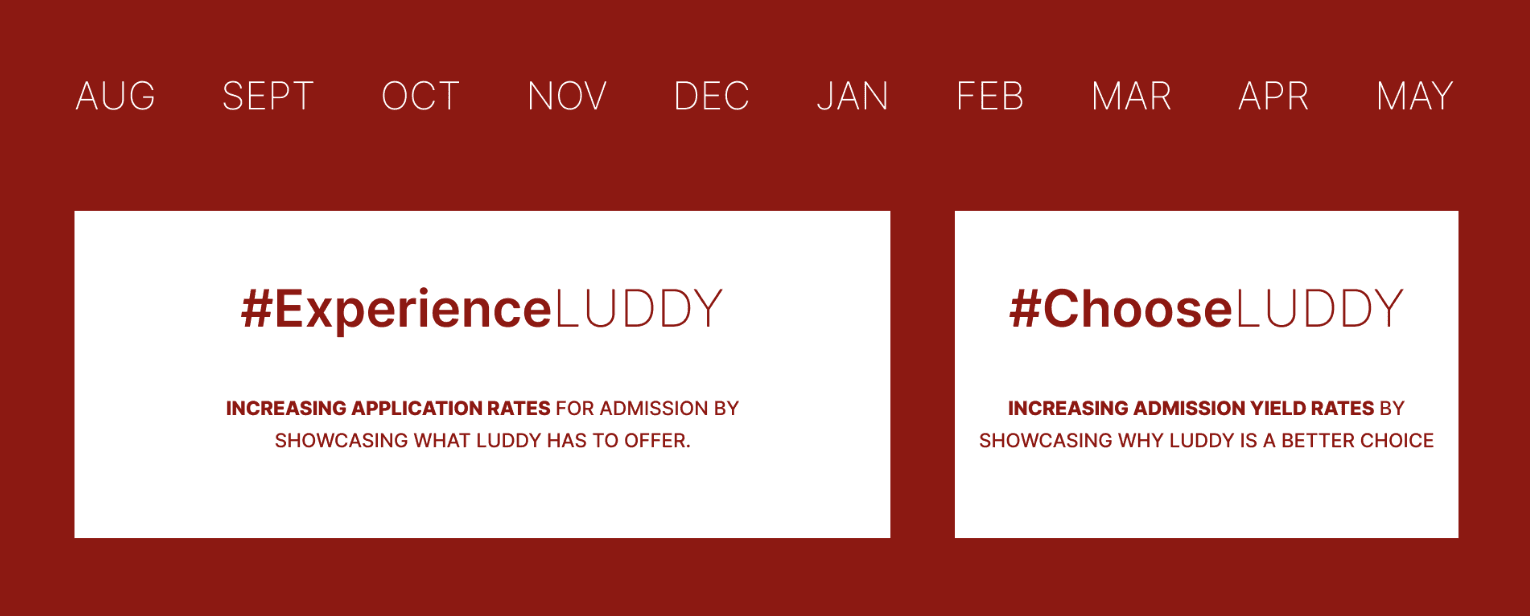
#ExperienceLuddy (August-January)
This phase focusses on increasing applications by driving discovery, excitement, and experiential storytelling through student life visuals, academic highlights, and day-in-the-life narratives during the post-application phase.
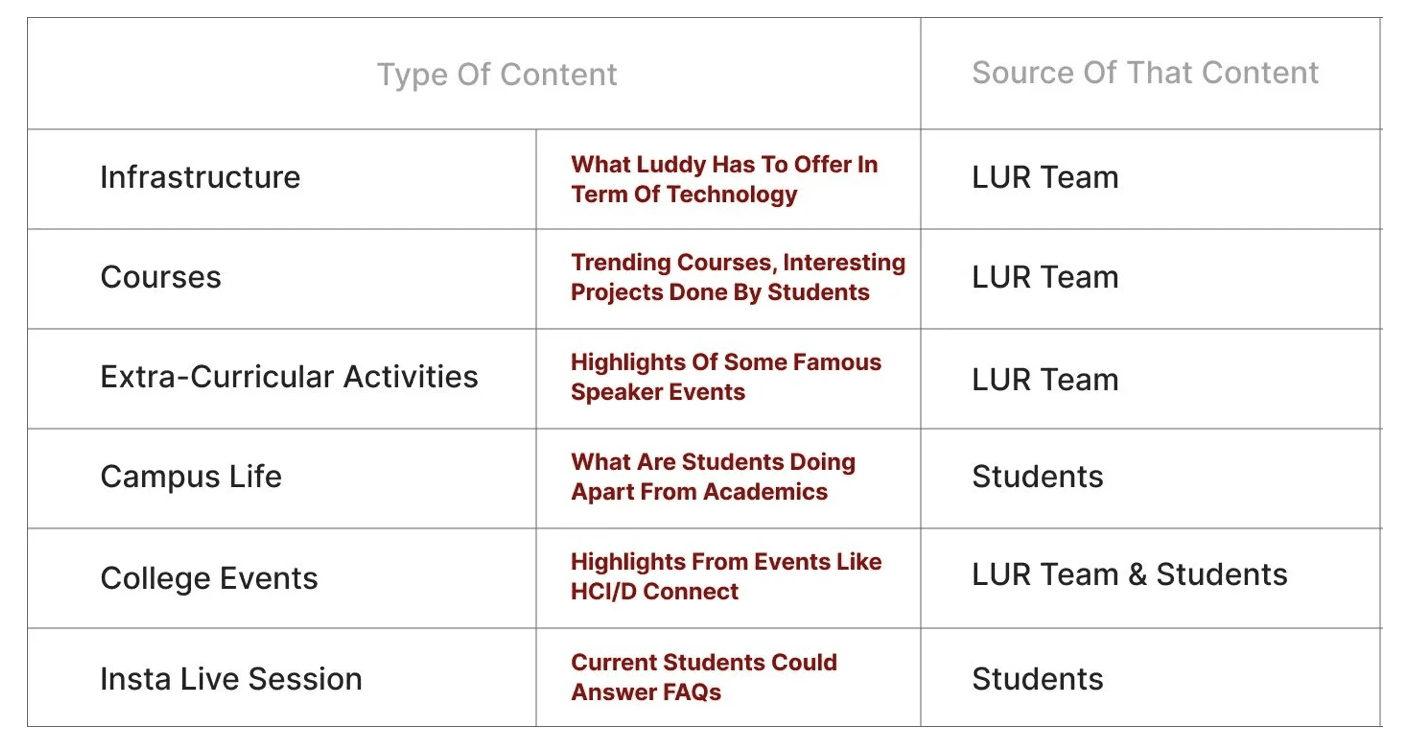
#ChooseLuddy (February-May)
This phase focuses on increasing the admission yield rate by reinforcing belonging, reassurance, and brand trust through personalized content for admitted students, community stories, and program-specific highlights during the post-admission phase while students are finalizing which school to choose.
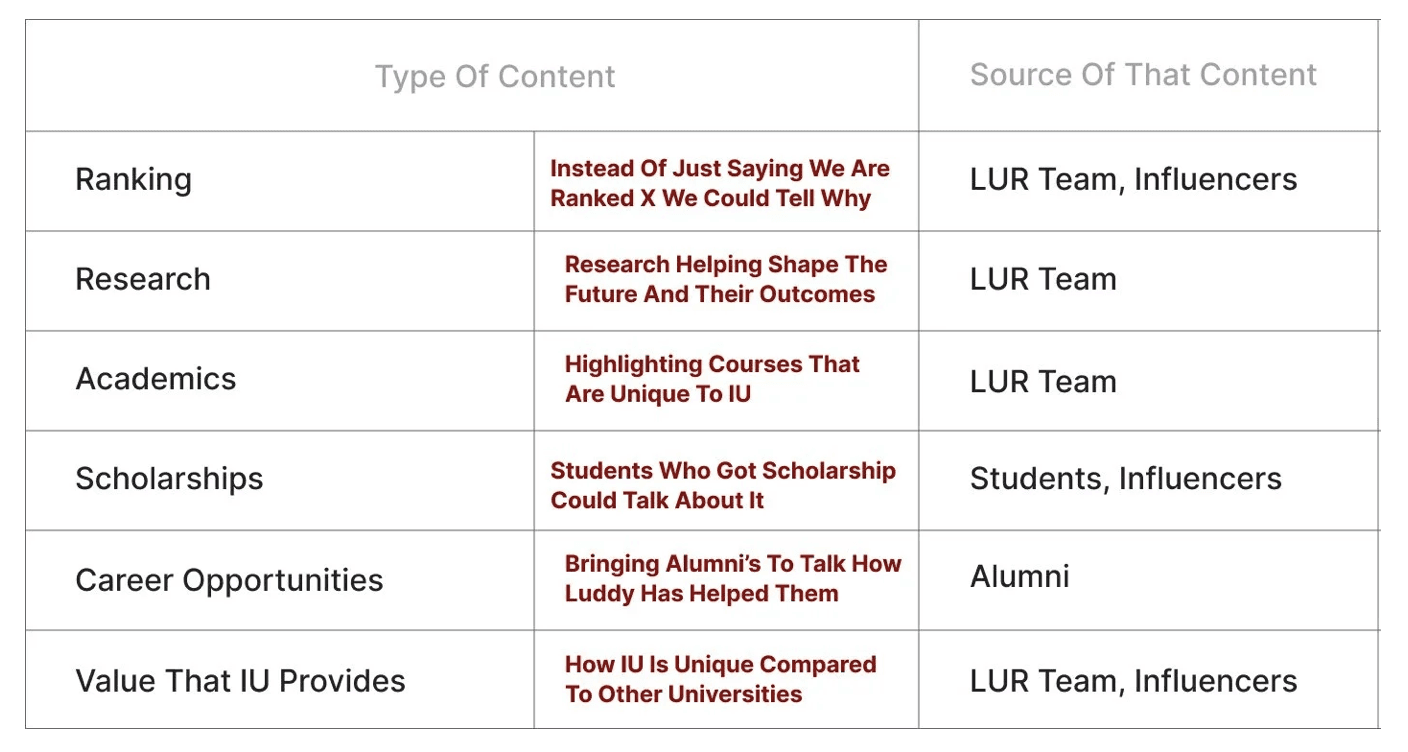
Content & Visual Direction
The strategy translates Luddy’s brand into engaging, visually-driven experiences across key digital platforms. By combining clear content pillars with motion, short-form video, AR filters, and peer-generated storytelling, the approach reinforces brand identity, improves discoverability, and creates a cohesive, shareable visual presence.
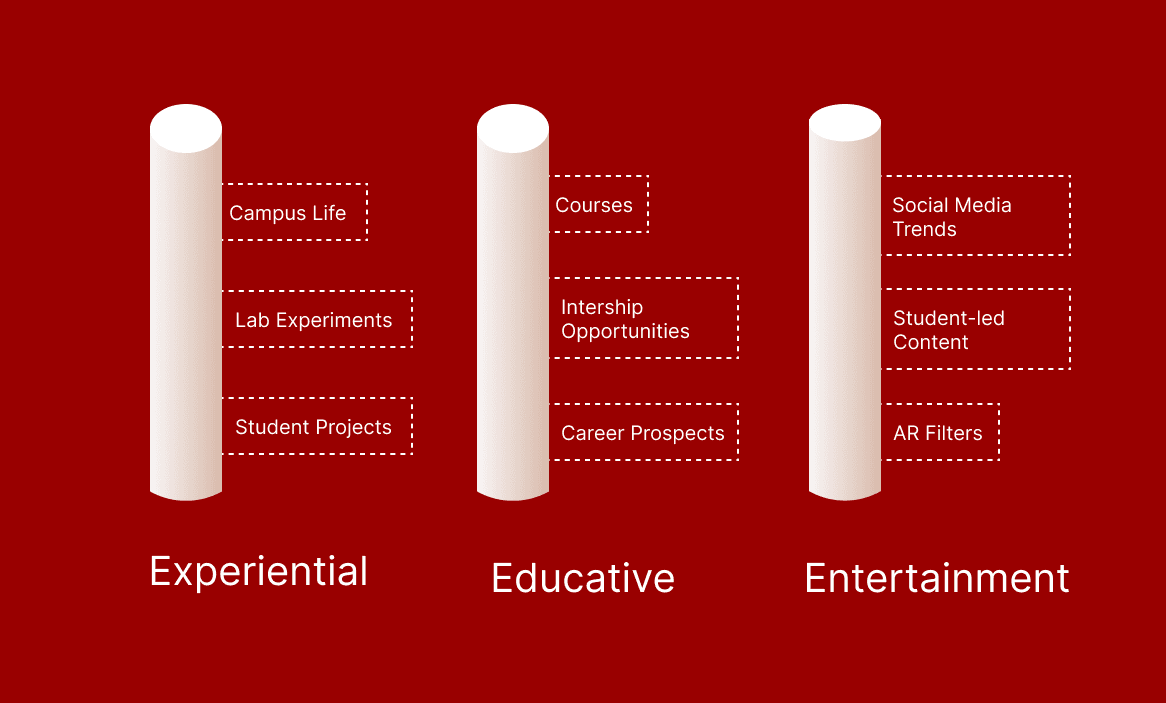
Content Pillars
Content was organized into three pillars—Experiential, Educational, and Entertaining—to guide visual storytelling, ensure consistency, and engage students across multiple touchpoints.
Key platforms were selected—Instagram and Snapchat—to maximize engagement, leverage short-form visual storytelling, and reach high school students where they are most active.
Short-Form Video Content & AR Filters
Short-form videos on platforms like TikTok, Instagram Reels, and Snapchat offer highly engaging, easily shareable content that captures audience attention in a fast-paced, short-attention-span environment.
Integrating Augmented Reality (AR) filters enhances this experience by creating interactive, immersive content that strengthens engagement and extends reach through user-generated network effects.
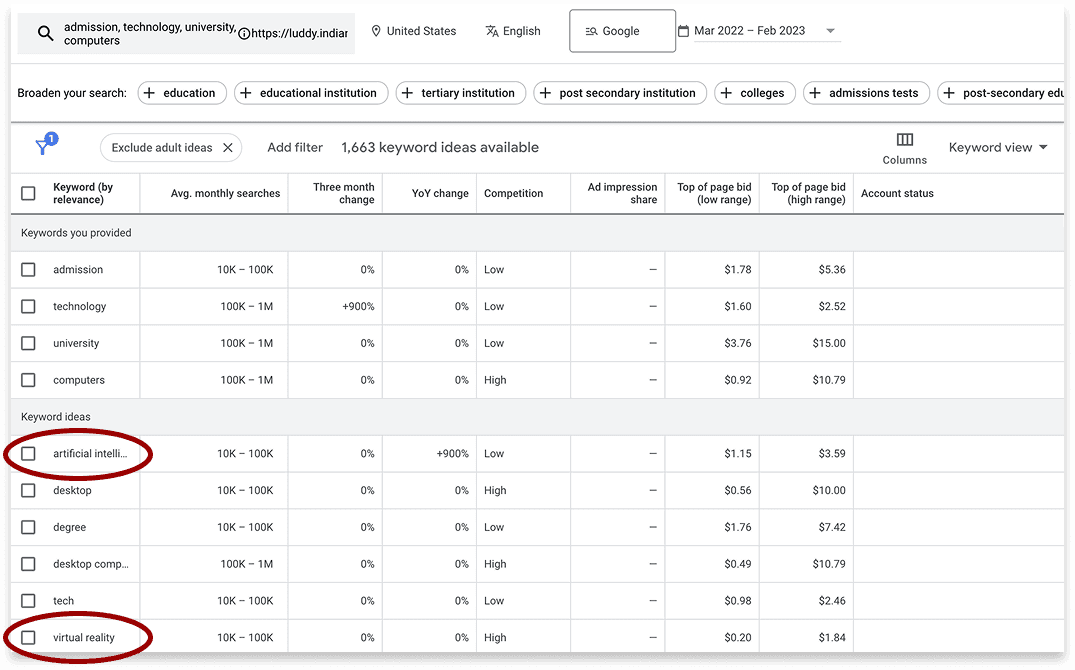
What are people searching for?
Artificial Intelligence
Virtual Reality
To make the content more relevant to prospective students, the focus on trending topics that Luddy offers students is an opportunity to learn about, in addition to general information about the school.
Implementing Augmented Reality (AR) Filters
Implementation of AR filters as interactive brand touch points to reinforce Luddy's identity, encourage user-generated content, and amplify reach across social platforms.
Leveraging Influencers & Student Creators
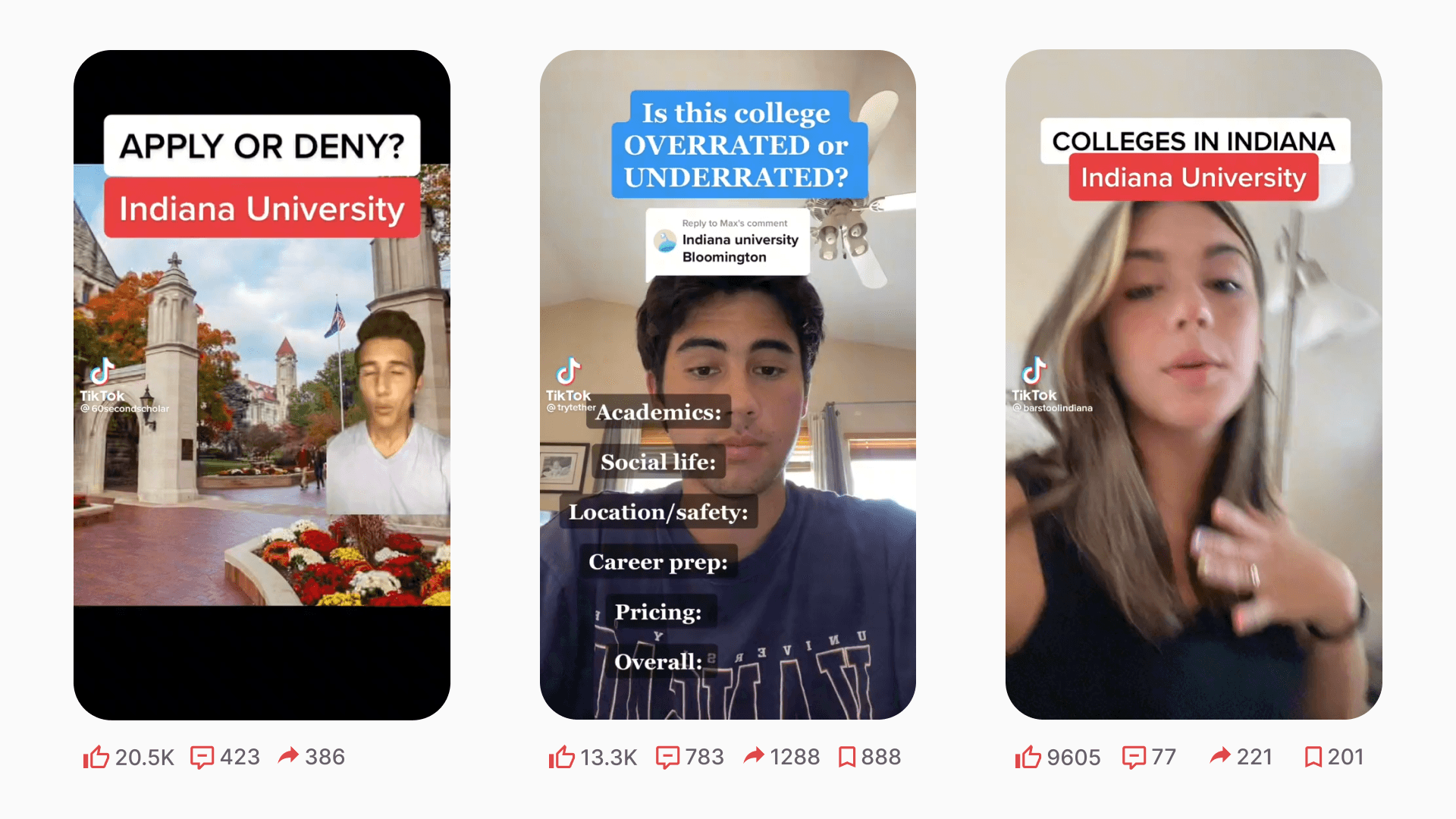
To strengthen Luddy’s brand presence at scale, the strategy positioned student creators and select influencers as extensions of the brand, enabling authentic storytelling and broader reach across social platforms without relying solely on centralized marketing output.
Given limited in-house marketing and design expertise, the strategy leveraged existing student networks and selective paid influencer partnerships to maximize impact with available resources. Longer-term collaborations supported cohesive brand storytelling while remaining feasible within staffing and budget constraints.
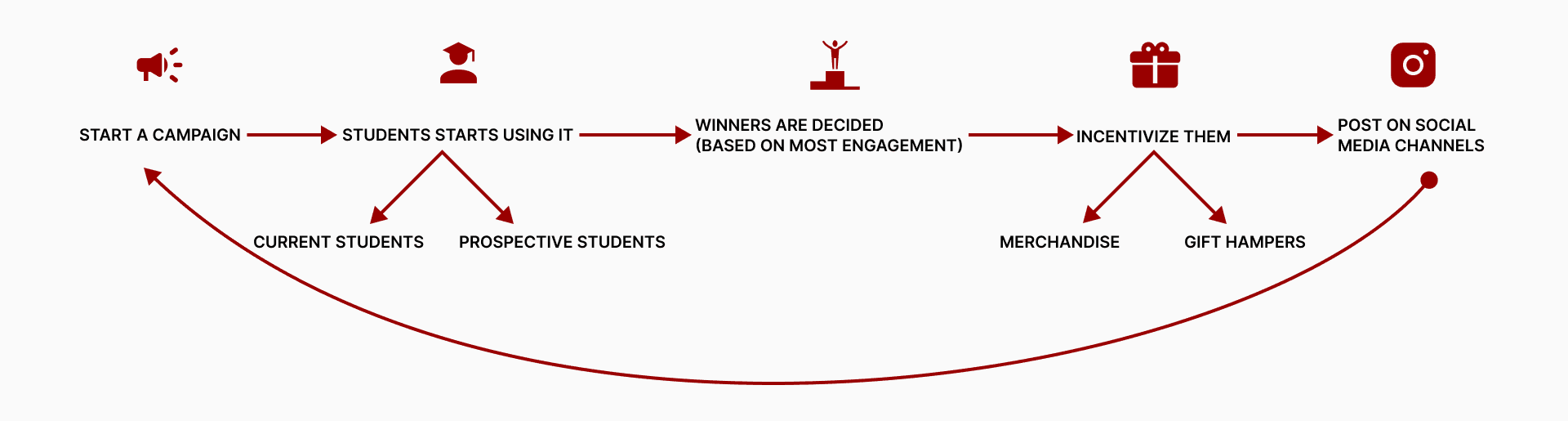
Incentives and Participation Model
Student creators were motivated through low-overhead incentives such as recognition, behind-the-scenes access, professional exposure, and community-building opportunities. This approach encouraged consistent, brand-aligned content creation while minimizing operational complexity and cost.
Why Influencer marketing will work?
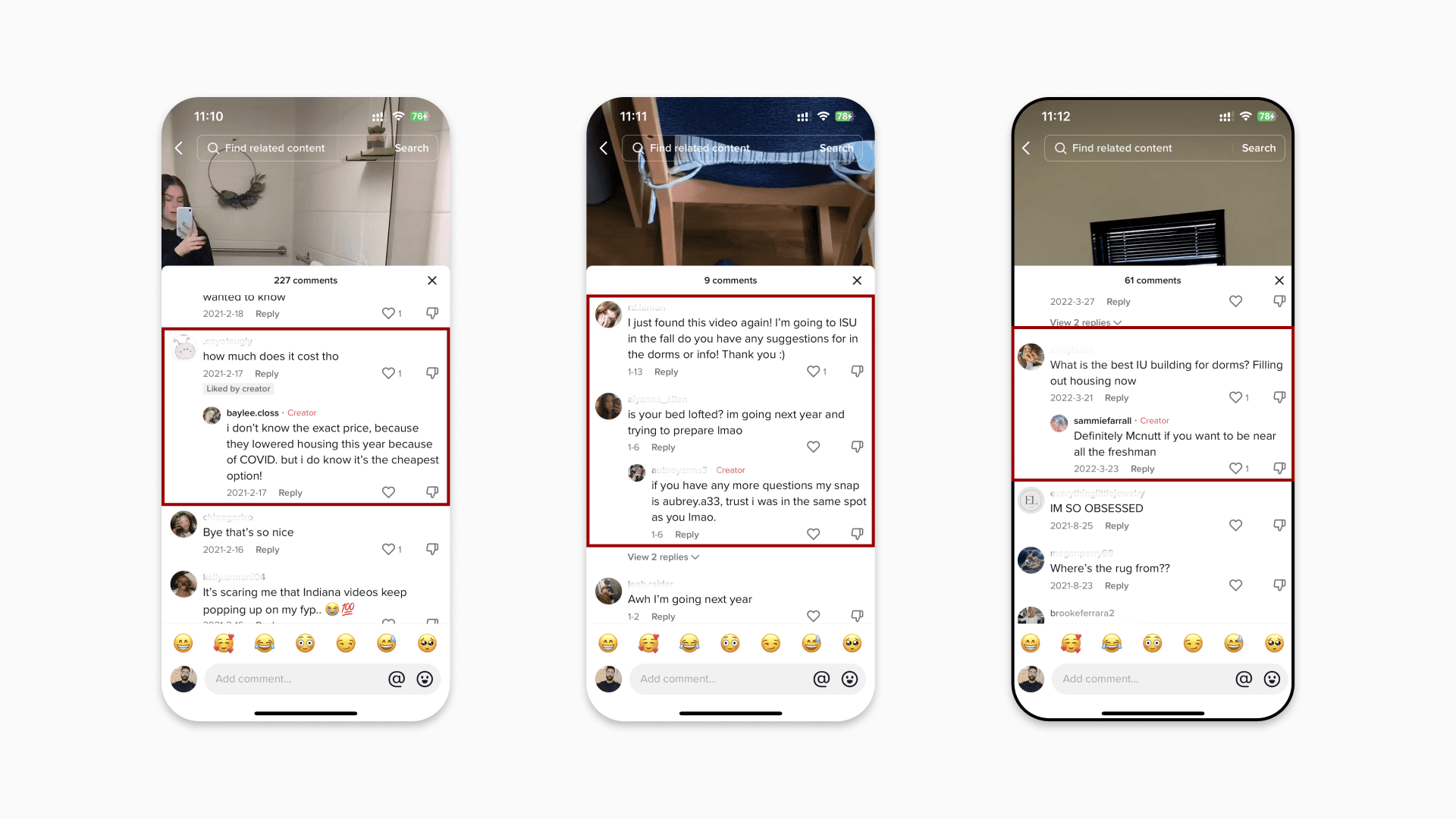
Analysis showed that prospective students are already using influencer and peer-created posts to ask questions and seek clarity, often receiving responses from other users due to the absence of a dedicated official undergraduate channel. Actively participating through trusted student creators allows Luddy to provide accurate, timely answers within these conversations, increasing credibility, trust, and engagement while extending reach through existing networks.
Measuring Success
Success was evaluated using clearly defined key performance indicators (KPIs) aligned with brand visibility, engagement, and conversion goals, ensuring the strategy remained data-driven and adaptable over time.
Impressions, shares & Capture on AR Filters | MoM (Month on Month)
Number of posts in Hashtags
Likes, comments & Shares on posts | MoM (Month on Month)
Reach on Short-Form Content
Views on Short-Form Content
Outcome & Status
Delivered a comprehensive, research-backed social media and brand strategy
Strategy is currently under review by the Luddy Undergraduate Recruiting Team for phased implementation
Reflections
Brand Consistency Requires Strategy: Strong visual design must be grounded in audience insight and brand objectives to be effective at scale.
Design as a System: This project emphasized reusable content frameworks, visual consistency, and scalable design thinking—key for institutional branding.
Collaboration & Feedback Loops: Regular stakeholder input improved alignment, feasibility, and brand integrity.
Evaluation is Ongoing: Social media design is iterative; continuous testing ensures visual relevance and performance.